
杨莉明:AI须像民航业 建立安全保障赢得信任
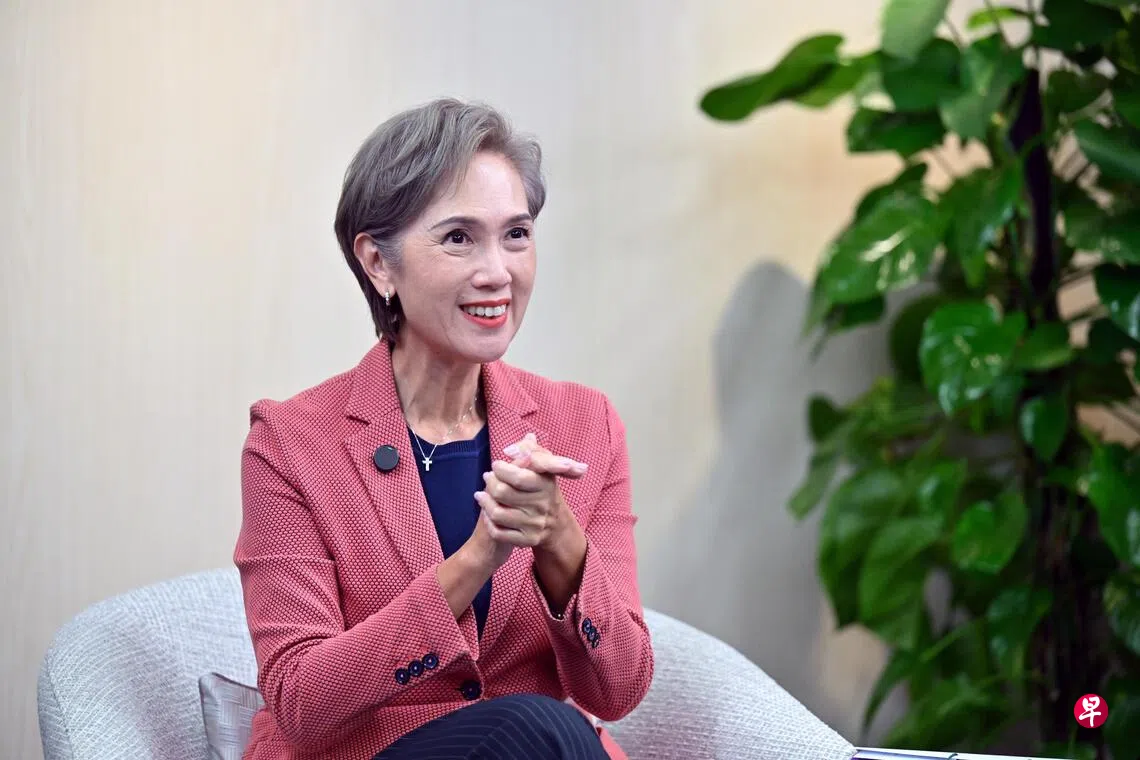 数码发展及新闻部长杨莉明指出,随着人工智能的能力不断提升,相关安全保障机制也须同步跟上。 (档案照片)
要让人们放心使用人工智能(AI),建立信任是关键。数码发展及新闻部长杨莉明指出,随着AI技术不断提升,安全保障也须同步跟上,我国会在推动应用的同时,加强测试、评估等能力。
全球AI业界近期再次掀起有关发展速度与安全的讨论,部分研究人员和业界领袖担心AI发展太快,安全措施和评估工作难以跟上。
杨莉明星期四(9月17日)在职场社交平台LinkedIn发文谈AI安全,并以民航业为例,说明建立安全保障和信任的重要性。
她说,民航业今天能安全运作并发展到如此规模,并非偶然。从飞机制造和维修,到机场和空域管理,背后都有大量标准和条例把关,业者也须妥善培训员工和落实安全措施。
她认为,AI未来也须建立类似的安全体系。“要让一项科技成为人们经常使用和依赖的工具,信任是不可或缺的条件。”
延伸阅读
代理式AI未来或可协助办理政府申请 当局同步研究安全风险 我国推出全球首个由政府主导 代理式人工智能监管模式框架
安全机制仍未成熟 须边应用边完善
杨莉明指出,目前针对AI的安全机制仍在逐步成形,距离成熟还有很长一段路,也需要更多研究和测试。“这些工作需要时间,也需要各方持续投入。”
她认为,各方现在就须着手进行这些艰巨但实际的工作。对新加坡而言,这意味着推动AI应用的同时,也得同步建立安全保障,包括开发测试和验证AI系统的方法、提升评估先进AI模型的技术能力,以及为机构提供负责任使用AI的实际指引。
我国近年来已陆续推出多项相关措施,包括发布全球首个AI治理测试框架和工具箱“AI Verify”、设立新加坡人工智能安全研究所,以及推出代理式AI监管模式框架等。
杨莉明也强调,AI安全不是任何一个国家能够单独应对的课题,我国因此积极开展国际合作,包括主办AI安全国际科学交流会,汇集各国专家,共同确定全球AI安全研究的重点。
“我们不可能从一开始就有所有答案。但随着AI能力不断提升,安全保障也必须同步跟上。”
她指出,我国将继续测试不同方案、从中学习,并逐步完善应对方式,同时与业界、研究人员和国际伙伴合作,让人们能够有信心使用AI。
AI发展该不该放慢 各界意见分歧
美国AI巨头Anthropic的研究员考克森(Jacob Coxon)日前宣布辞职,并对AI企业竞相开发能力更强的模型提出警告。Anthropic首席执行官阿莫迪(Dario Amodei)随后发文,呼吁业界放慢前沿AI的发展速度,让安全措施和评估有时间跟上。
不过,美国总统特朗普驳斥相关担忧,更称AI威胁论只会让中国受益,还说AI行业需要的唯一安全护栏,就是他这名“强大而聪明的总统”。
中国官方则指出,AI发展关乎全人类共同福祉,散播威胁叙事不符合任何一方利益。

When we board a plane, we expect to arrive safely – and almost always do. This doesn’t happen by chance. In fact, a tremendous amount of effort is involved. From how the aircraft is manufactured… | Josephine Teo | 13 comments
When we board a plane, we expect to arrive safely – and almost always do. This doesn’t happen by chance. In fact, a tremendous amount of effort is involved. From how the aircraft is manufactured and serviced to how the airspace and airports are managed, there are hundreds, if not thousands of standards and regulations to keep us safe. We expect companies in the world of civil aviation to each do their part to train their people properly and implement safeguards consistently. Without such assurances, neither passenger nor crew will board. Civil aviation would never have grown. Trust is an essential requirement for a technology to be regularly relied upon. In time to come, the world of AI must have its own safety set-ups. They are still taking shape and far from mature. More research and testing is needed. This takes time and commitment. That is why we must do the hard, practical work now. For Singapore, this means building the safeguards alongside adoption: developing ways to test and assure AI systems, strengthening our technical capabilities to evaluate advanced models, and giving organisations practical guidance on responsible use. Initiatives such as AI Verify, the Singapore AI Safety Institute and our Model AI governance frameworks support this work. We also collaborate internationally because AI safety cannot be tackled by any country alone. By bringing together diverse perspectives from around the world, the International Scientific Exchange for AI Safety helped identify shared priorities for global AI safety research through the Singapore Consensus. We will not have all the answers from the outset. But as AI grows more capable, its safeguards must keep pace. Singapore will continue to test, learn, and strengthen our approach. Trust lies at the core of our vision of a vibrant AI Hub. We will work with industry, researchers, and international partners so that AI can be used with confidence, for the benefit of all. - Jo Teo | 13 comments on LinkedIn
杨莉明AI人工智能数码发展及新闻部网络安全抗热策略重在规划政策与合作 新加坡获颁“降温领袖奖”33年间前后性侵11名亲属及女学生 补习中心71岁老板判监21年购买此文章
评论 (0)