
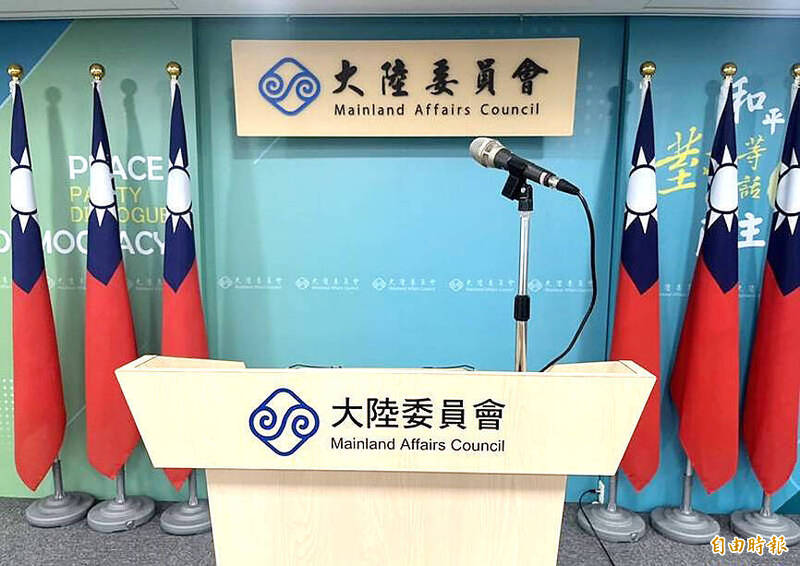
SAFETY RISKS: A Taiwanese man who was traveling to Shanghai for business was allegedly questioned for six hours due to his past work for Amnesty InternationalBy Chung Li-hua, Chen Yu-fu and William Hetherington / Staff reporters, with staff writer請繼續往下閱讀...The Mainland Affairs Council (MAC) urged Taiwanese to exercise caution when considering trips to China after a Taiwanese man was allegedly questioned for six hours in Shanghai over past work with Amnesty International.The council on Saturday said in a report that 426 Taiwanese have gone missing or been detained or had their freedom of movement restricted in China since Jan. 1, 2024.The figure is up by seven from the previous week. New Chinese entry and exit regulations are due to take effect on Sept. 15, the council said.Of the 426 cases, 160 people have gone missing, up by five from the previous week; 36 have been detained for questioning, unchanged; and 230 are suspected of having had their freedom of movement restricted, an increase of two, it said.Although the new regulations have not taken effect, major Chinese airports have reportedly begun subjecting outbound passengers to increased scrutiny.The regulations would formalize existing control measures while leaving key definitions vague and subject to broad discretion, the MAC said.Chinese authorities could apply the measures to Taiwanese travelers holding Taiwan compatriot permits, increasing the risks to their personal safety, it said.There have been cases in which people who were once involved in political activities in Taiwan but later moved into non-political fields were still targeted by Chinese authorities and handed lengthy sentences over their past activities, the council said, urging Taiwanese not to take such risks lightly.The council issued the remarks after a Taiwanese man said on social media that his son was allegedly stopped by Chinese customs while traveling to Shanghai on business and questioned for six hours by three plainclothes officials over alleged “political involvement.”The son had worked for Amnesty International after graduating from university, the parent said.The officials allegedly pressured him to unlock his cellphone and examined his messages, photographs, e-mails and work-related files and discussions on instant messaging apps. They questioned him about his responsibilities at the organization, its funding, his work on issues involving China, Hong Kong, Xinjiang and Tibet, and his contacts with political figures, human rights defenders and organizations, they said.The parent said his son downplayed the political aspects of his former work, describing it as general administration, clerical work or academic research, emphasizing that he was not a decisionmaker or core advocate.He eventually offered to withdraw his application to enter China and was able to return to Taiwan safely, they said.The MAC said that although the person who made the social media post did not report the incident to the government, the experience described is consistent with similar cases previously documented by the authorities.The parent appears to have shared what happened to raise public awareness of the risks of entering China, the council said, urging people to speak out and share their experiences to help inform the public.Chinese authorities are hostile toward people affiliated with overseas nongovernmental organizations working on issues including human rights, environmental protection, government oversight, labor and gender diversity, it said.The MAC urged people considered to be at high risk to carefully assess whether traveling to China is necessary.The council said people who plan to travel to China should register using its registration system so authorities can provide assistance in an emergency.When reached for comment, Tunghai University Center for China Studies deputy executive director Hung Pu-chao (洪浦釗) said the incident described by the parent should be taken seriously if verified.“What China cares about is no longer simply who you are,” Hung said, adding that a person’s past involvement with sensitive issues, organizations and contacts could all become grounds for questioning at the border.Taiwanese civil servants, police officers and judges have been subjected to questioning while traveling to China, he said.If Chinese authorities can identify work experience that a person themselves has forgotten, it suggests that their access to information about Taiwanese extends deeply into their personal histories, he said.Public resumes, social media activity, organizational records and information exposed in previous data breaches could all serve as potential sources, he said.The government should compare such information with cases of Taiwanese being questioned in China to determine the scope and sources of the data held by Chinese authorities, he said.A cellphone can contain information about family members, friends, colleagues and professional contacts, meaning that examining one person’s device could expose wider personal and professional networks, Hung said.Taiwanese traveling to China should consider not only their personal safety, but also the security of data stored on their electronic devices, and take steps to protect personal and work-related information, he added.新聞來源:TAIPEI TIMES
评论 (0)