
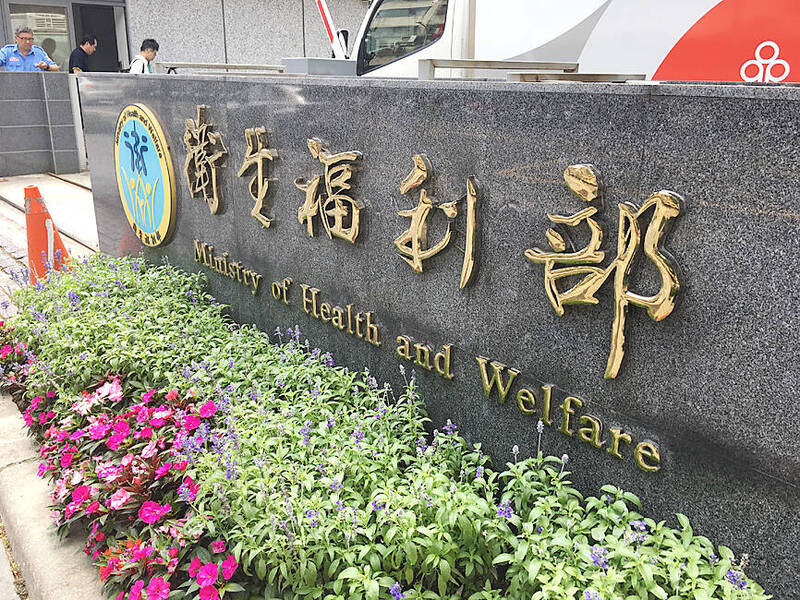
SEVERAL AREAS: Some changes will only affect a few dozen people while other expanded drug subsidies could apply to more than a million TaiwaneseBy Lee I-chia / Staff reporter請繼續往下閱讀...The Ministry of Health and Welfare (MOHW) yesterday announced several health policies that take effect today, including increased subsidies for in vitro fertilization (IVF), inclusion of more therapies under National Health Insurance (NHI) coverage, and expanded eligibility for a children’s dental fluoride treatment subsidy.The Health Promotion Administration said the subsidies for the second and third courses of IVF treatment for women under 40 years old would be increased from NT$100,000 to NT$150,000 (US$3,158 to US$4,737); and increased from NT$80,000 to NT$130,000 for women aged 40 to 45.About 20,000 people receive IVF subsidies each year, and about 5,000 people are estimated to be eligible for receiving the increased subsidy each year, it said.The NHI Administration (NHIA) said it has revised the NHI coverage criteria for lipid-lowering drugs to align with clinical treatment consensus, added two types of therapies for rare diseases and 20 other treatment items under NHI coverage, and adjusted the NHI payment standards for some medical procedures.Lipid-lowering drugs, including statins, ezetimibe and combination drugs containing both, would be included into NHI coverage, in line with the latest clinical treatment guidelines revised last year, it said.The initiative aims to allow people with hyperlipidemia to receive timely and appropriate medication, reducing the risk of cardiovascular diseases, the agency said, adding that it is estimated to benefit about 998,000 to 1.11 million patients from the first to fifth year, at an estimated cost of about NT$2.28 billion.Regarding therapies for rare diseases, drugs containing iptacopan, an oral treatment for adults with paroxysmal nocturnal haemoglobinuria (PNH), and drugs containing maralixibat chloride, oral solution and tablets used to treat severe itching (cholestatic pruritus) caused by Alagille syndrome (ALGS) in people aged one year or older, would be included for NHI coverage, it said.Iptacopan has been included in insurance coverage for adult patients with paroxysmal nocturnal hemoglobinuria (PNH). As an oral medication, iptacopan offers clinical convenience, providing PNH patients with more treatment options and helping to enhance treatment accessibility and care quality. It could help about 30 people, with a projected pharmaceutical expenditure of about NT$183 million.In response to clinical demands, 20 medical procedures, including peripheral atherectomies for treating people with peripheral artery disease, have been added to NHI coverage, the NHIA said, adding that about 11,000 people should benefit from the inclusion.NHI payments to healthcare providers for operating procedures in pediatric and obstetrics departments have been increased, as well as inpatient nursing services, to address the issue of healthcare provider shortages in certain departments, it said.The MOHW Department of Oral Health said eligibility for children’s dental fluoride treatment subsidy would be expanded “from birth to until Aug. 31 of the year the child enters elementary school.”Eligible children can receive the subsidy once every six months when they see a registered dentist for the service before entering elementary school, and children with disabilities, from low-income households, who live in remote areas, outlying islands or indigenous communities, or who are younger than 12 years old, can receive the subsidy once every three months, it said.The expanded eligibility is expected to benefit about 130,000 people per year, the department said.Tooth decay in primary teeth among five-year-old children has been reduced from 65.4 percent in 2018 to 46.3 percent in 2024, and the average number of decayed, missing and filled teeth among 12-year-old children has dropped from 3.31 in 2000 to 2.01 in 2020, it said.新聞來源:TAIPEI TIMES
评论 (0)